What To Do In Stuttgart: Top Sights & Experiences
You’re sorting out a Stuttgart trip for a mixed group. One person wants iconic car museums, another wants a spa afternoon, and someone else cares more about market food than engineering history. Stuttgart is easy to enjoy, but it gets harder to plan once those preferences collide.
The city works best when you group attractions by how people travel. Put the big automotive stops together. Pair viewpoints with lighter sightseeing. Save food-focused stops for flexible arrival or departure days. Build in recovery time if your group is doing full museum days. That approach cuts down on cross-city backtracking and avoids the usual group-trip problem of trying to make every hour suit everyone.
That matters in Stuttgart because the city has real range. Its identity is still closely tied to the origins of the automobile and to figures such as Gottlieb Daimler and Karl Benz, but the visitor experience is wider than car culture alone. Parks, baths, markets, panoramic viewpoints, and easy half-day activities all sit within the same trip planning conversation.
Stuttgart also has the visitor numbers of a city people return to, not just a stopover. Overnight stays rose from 1.55 million in 1995 to more than 4.08 million in 2019, then recovered to more than 4 million in 2023, according to Stuttgart tourism facts.
The attractions below are the ones that hold up in real itineraries. They work for families, couples, friend groups, and work trips because each one solves a different planning need. Some are anchor visits. Some are better as buffers between heavier stops. Read them that way, and Stuttgart becomes much easier to organize. MyPerfectStay is useful here too, especially if one person is handling dates, rooms, and bookings for the whole group and needs a faster way to compare options without turning the trip into a long message thread.
1. Mercedes-Benz Museum
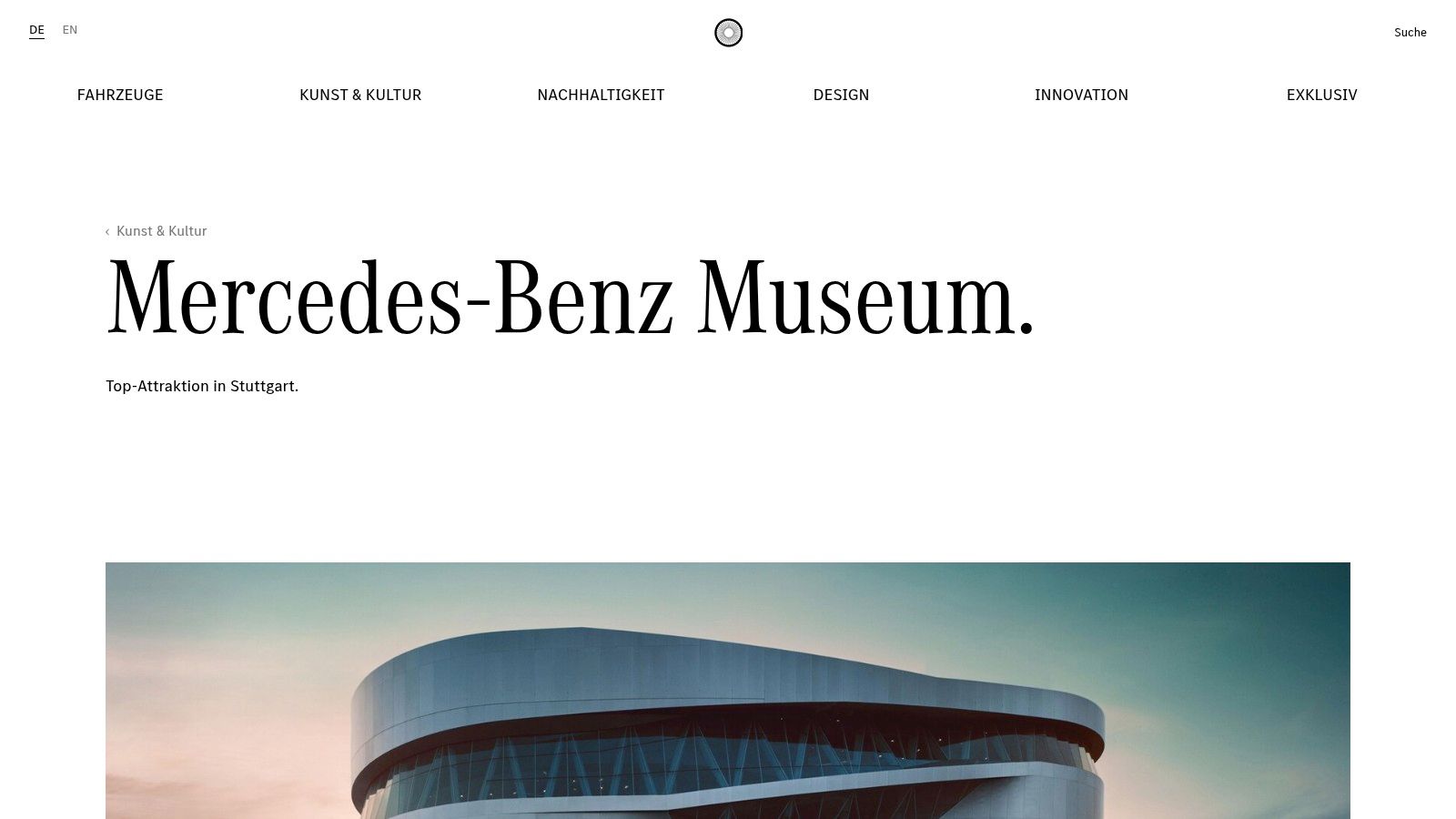
If your group needs one attraction that will satisfy the widest range of interests, book the Mercedes-Benz Museum first.
It works well because the visit is broader than a brand story. You get automotive history, industrial design, engineering milestones, and one of the city’s most distinctive museum buildings in the same stop. For mixed groups, that range matters. The car enthusiasts get depth, and everyone else still has a strong reason to be there.
This is also one of Stuttgart’s best anchor visits for group planning. It gives the day structure. You can build lunch, transport, and a second lighter activity around it without much guesswork, which is exactly the kind of stop that makes multi-person itineraries easier to manage.
Why it works for groups
The museum is set up for organized visits in a way that saves time and friction. Group rates, guided options, on-site dining, and clear visitor services all help when one person is coordinating for several travelers. That reduces the usual group-trip problems of long queues, vague meeting points, and people getting hungry at different times.
The daily English open tour is useful for mixed-interest groups. A few travelers can join for added context, while others use the multilingual audioguides and move at their own pace.
For planners, that flexibility is the main advantage. If you are building a Stuttgart trip in MyPerfectStay, this is the kind of booking to lock in early, then arrange your hotel area and same-day transport around it.
Practical rule: Choose a weekday morning if your group wants the easiest visit. Weekends still work, but they take more patience.
Trade-offs to know before you go
Give it more time than you think. Groups often underestimate this museum because they assume it will be a quick brand visit, then end up staying much longer once they start following the chronology and stopping for the major exhibits.
That creates a real trade-off. Travelers who read every panel and photograph details will move at a very different speed from those who prefer a shorter walk-through. Set a regroup time before entry, not after people scatter across the building.
A few planning details are easy to miss:
Check the opening day: The museum is closed on Mondays, so confirm this before you build the rest of the day around it.
Watch event-day access: Events around NeckarPark can affect traffic and parking. Public transport is often the simpler choice.
Use the official museum page for current details: Opening hours, guided visits, accessibility information, and special exhibitions are listed on the Mercedes-Benz Museum website.
For many groups, this is the easiest first booking in Stuttgart because it appeals to different ages and travel styles without much compromise. That makes it a strong starting point for the rest of the itinerary.
2. Porsche Museum
The Porsche Museum is the sharper, more distilled counterpart to Mercedes-Benz. If Mercedes feels expansive and historical, Porsche feels focused and brand-led. That’s exactly why some groups prefer it.
Located beside the factory and easy to reach by S-Bahn at Neuwirtshaus / Porscheplatz, it fits neatly into a half-day plan. That’s one of its biggest strengths. You can visit it without sacrificing the rest of your day.
Best for focused visits
This museum works particularly well for travelers who like clean presentation, iconic models, and a tighter narrative arc. The architecture and display style reinforce that. You’re not wandering through a loose collection. You’re moving through a curated brand story that gives road cars and racing heritage equal weight.
The museum also pairs well with another attraction on the same day. That could be Mercedes-Benz if your group is committed to a full automotive day, or the TV Tower if you want a museum-plus-view combination rather than two museums back to back.
Don’t assume everyone in your group wants two car museums in one day. One museum plus one contrasting stop usually lands better.
Where it’s better, and where it isn’t
Porsche wins on efficiency. It’s easier to slot into a shorter itinerary, easier for first-time visitors to get around, and easier to combine with lunch or another neighborhood stop. English information is generally clear, and walk-in visits are straightforward.
Its weak point is factory access. Factory tours can be hard to secure, English availability may be limited, and summer shutdowns can affect what’s available. If your group is building a dream Porsche pilgrimage, don’t treat the museum and the factory as interchangeable experiences.
A few practical notes help:
Use it for a half day: This is one of the easiest premium attractions in Stuttgart to fit into a morning or afternoon.
Treat factory tours as a bonus: If you get one, great. If not, the museum still stands on its own.
Check current exhibitions directly: The Porsche Museum website is the right place to verify special exhibitions and planning details.
For travelers deciding what to do in Stuttgart with limited time, Porsche often beats larger attractions because it asks less from the day while still delivering something memorable.
3. SWR Fernsehturm Stuttgart
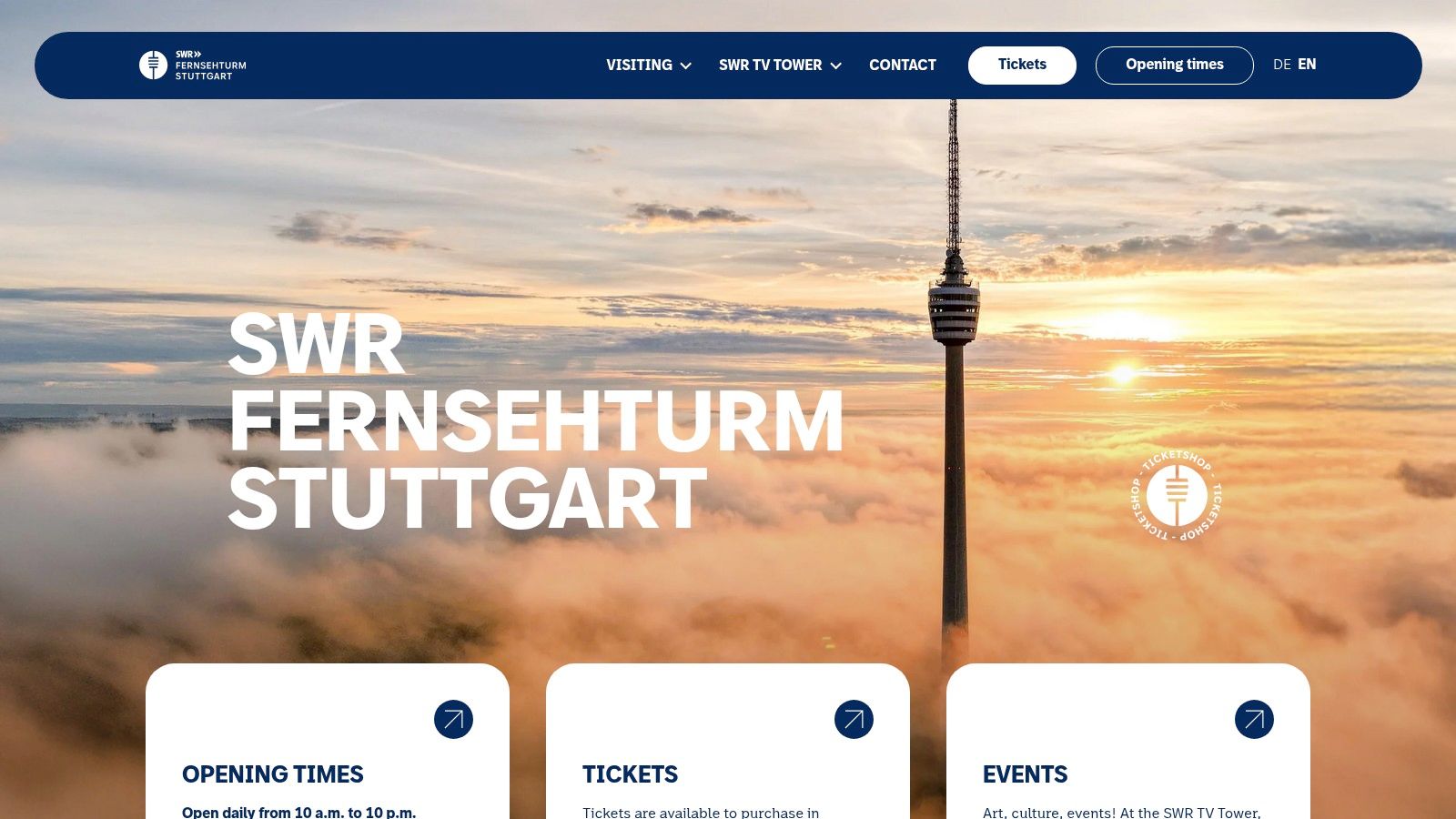
Your group has already done one indoor stop, attention is starting to split, and no one wants to spend another three hours reading wall text. That is the right moment for the SWR Fernsehturm. It gives the group a shared highlight fast, with almost no learning curve.
For group planning, that matters. The tower works best as a reset point between denser attractions, not as the main event of the day. It suits weekend trips, mixed-interest groups, and reunion-style travel where some people want photos, some want coffee, and others just want one memorable view without much effort. If you are building a trip for multiple generations, the same logic behind family reunion activities that work for different energy levels applies here.
Why it earns a spot
The value is simple. You get a strong city view, a quick sense of Stuttgart’s layout, and a stop that does not ask much from the group.
That overview is more useful than it sounds. Stuttgart can feel fragmented at street level because the city spreads across hills, valleys, and residential slopes. From the top, the geography clicks into place. First-time visitors usually understand their itinerary better after this stop, especially if they are deciding how to split time between central Stuttgart, museum areas, and greener outer districts.
The tower also has more character than a standard lookout. Its engineering history gives it weight, but the visit still stays light enough for travelers who are not interested in a full technical experience.
Best use for different group types
This is one of the easier attractions to place inside a shared itinerary.
For couples or friends on a short break, use it as a late morning or pre-dinner stop. For families, it works well when the group needs something low-friction between bigger activities. For corporate or reunion groups, it is a practical consensus pick because nobody needs special background knowledge to enjoy it.
My rule is straightforward. Pair the tower with one heavier attraction, not two. A museum plus the tower usually feels balanced. Two museums plus the tower can start to feel like too much transit and too little downtime.
Practical limits before you commit
Weather decides whether this is a good stop or just an acceptable one. On a clear day, it feels worth prioritizing. In poor visibility, the experience drops from standout to optional.
Timing matters too. Do not leave it too late and assume you can walk in just before closing. Check conditions first, then build the stop into a realistic window instead of using it as a backup with no plan.
A few planning notes help:
Best role in the itinerary: A short scenic stop between longer attractions.
Best for: First-time visitors, mixed-interest groups, and travelers with limited time.
Main drawback: Bad weather weakens the payoff.
Planning tip: Check visibility before you go, not just opening hours.
For current hours, guided visits, webcams, and ticketing, use the SWR Fernsehturm Stuttgart website.
One last reason to include it. Stuttgart makes more sense from above. The city’s rebuilt core, surrounding slopes, and spread-out neighborhoods are easier to read from the tower than from the street, which makes this stop useful for orientation as much as sightseeing.
4. Wilhelma Zoological-Botanical Garden
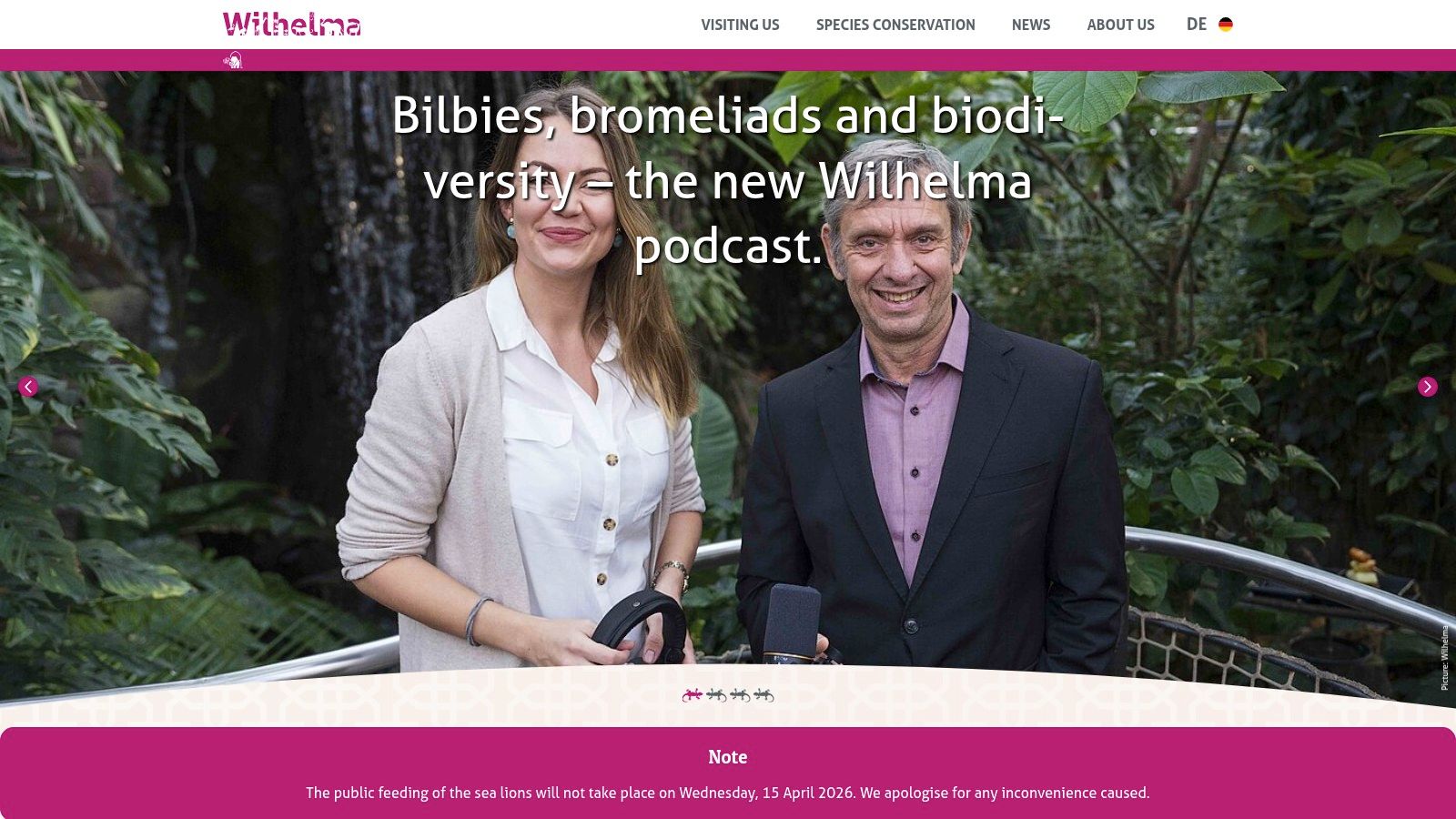
Wilhelma is the easiest answer when your group spans generations.
A combined zoo and botanical garden already solves part of the planning problem. Add historic Moorish-style buildings, greenhouses, open-air walking routes, and transparent group information, and you get one of Stuttgart’s most dependable half-day to full-day outings.
Why families and mixed-age groups pick it
This attraction gives everyone something slightly different. Kids focus on animals. Older travelers often prefer the gardens, architecture, and slower pace. People who don’t love museums usually stay engaged because they’re moving through changing spaces rather than reading walls of text.
That flexibility matters in group travel. One of the biggest gaps in Stuttgart planning is consensus-building for mixed-interest travelers. Generic city guides list attractions, but they don’t help groups decide where interests overlap. Wilhelma is one of those overlap attractions. It suits families, casual sightseers, and travelers who want a pleasant day outdoors with enough structure to feel worth the trip (why group matching matters in Stuttgart).
If you’re organizing a multi-age trip, this kind of broad-appeal stop often works better than a more specialized attraction. The same logic applies in planning ideas for all ages, especially for bigger reunions and mixed-energy groups at family reunion activities for all ages.
What to watch out for
Wilhelma is large. That’s the strength, but also the trap. People underestimate walking time and overestimate how much else they can do afterward.
A rushed Wilhelma visit is usually a bad one. If your group goes, give it room.
A few practical considerations:
Arrive earlier rather than later: Main ticket booths may close in mid-afternoon.
Expect some terrain variation: Accessibility can be limited in parts because of the site’s topography.
Use official pricing info: Seasonal pricing and group tariffs are usually clear on the Wilhelma website.
This is one of the strongest answers to what to do in Stuttgart when the group can’t agree on a single interest theme.
5. Stuttgart Citytour
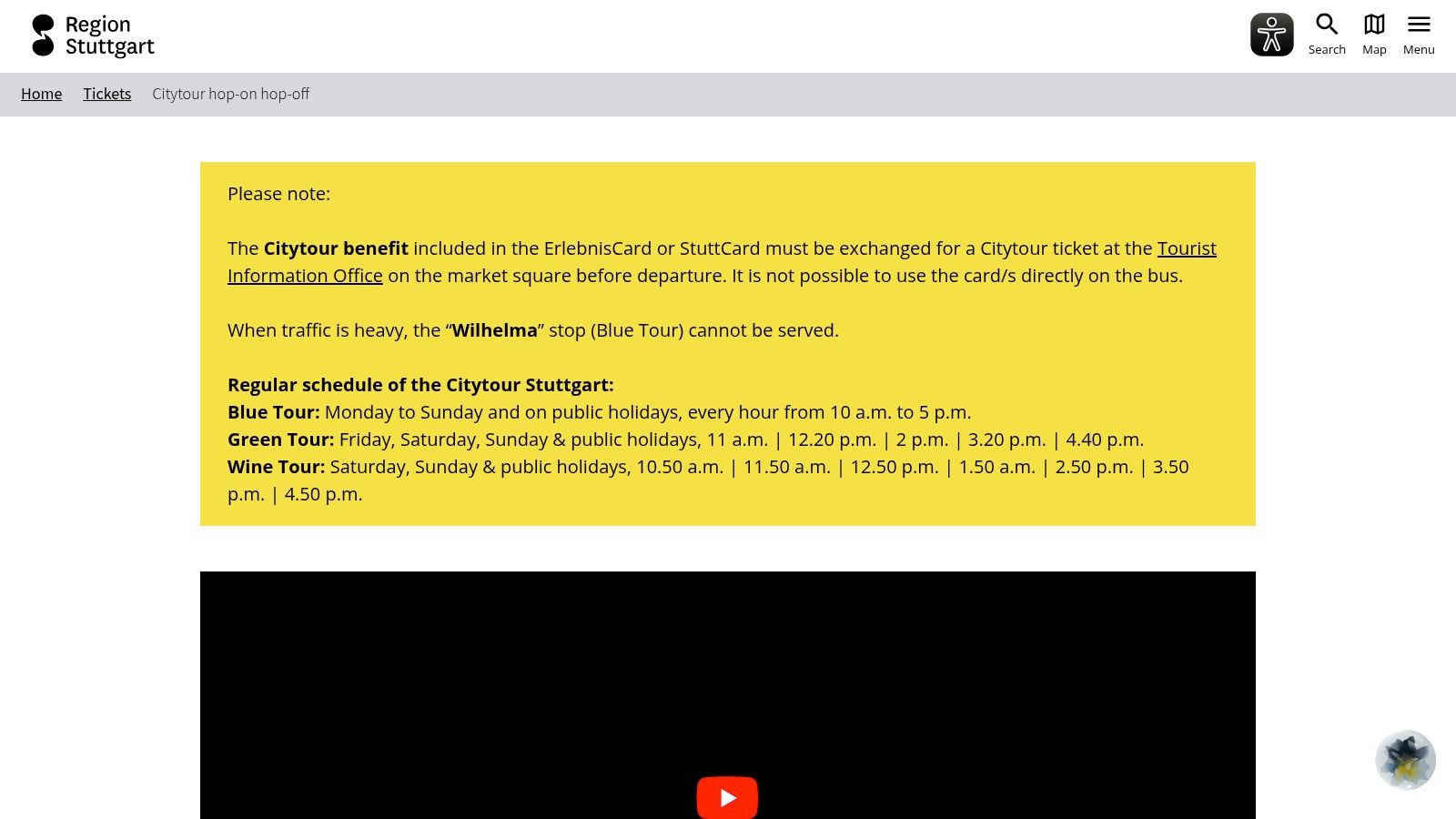
Not every city’s hop-on hop-off bus is worth recommending. In Stuttgart, it can be.
That’s because the city’s layout isn’t always intuitive for first-time visitors. Attractions sit in different pockets, and the terrain can make short distances feel less simple than they look on a map. The Stuttgart Citytour helps stitch the city together, especially on a first day.
The best use for it
Use the Blue Tour when your group wants an overview without committing to a fixed guided walking tour. Use the seasonal Green Tour if you want a broader scenic sweep. Use the Wine Tour if your group likes novelty and would rather turn transport into part of the experience.
The useful detail is the 24-hour ticket validity. That gives groups flexibility. You can ride a full loop for orientation, hop off at one or two major stops, then keep the second half of the ticket for the next morning if that fits your timing better.
For friend groups, this works well because it lowers decision fatigue. Instead of debating every transit leg, you agree on a route and pick stops along the way. That same dynamic shows up in stronger group planning ideas for activities for groups of friends.
The trade-offs
Hop-on hop-off buses always look more flexible on paper than they feel in heavy traffic. In Stuttgart, certain stops may be skipped when roads are congested. If your group has one priority stop, don’t rely on the bus as your only option to reach it.
Keep these limits in mind:
Best for orientation: It’s strongest on day one or for short stays.
Less ideal for precision timing: If you’re trying to hit timed-entry slots, public transport is often safer.
Check route specifics before booking: The Stuttgart Citytour page has current routing, timing, and ticket details.
For many visitors, this isn’t the most exciting thing to do in Stuttgart. But it can be one of the most useful.
6. Mineralbad Leuze
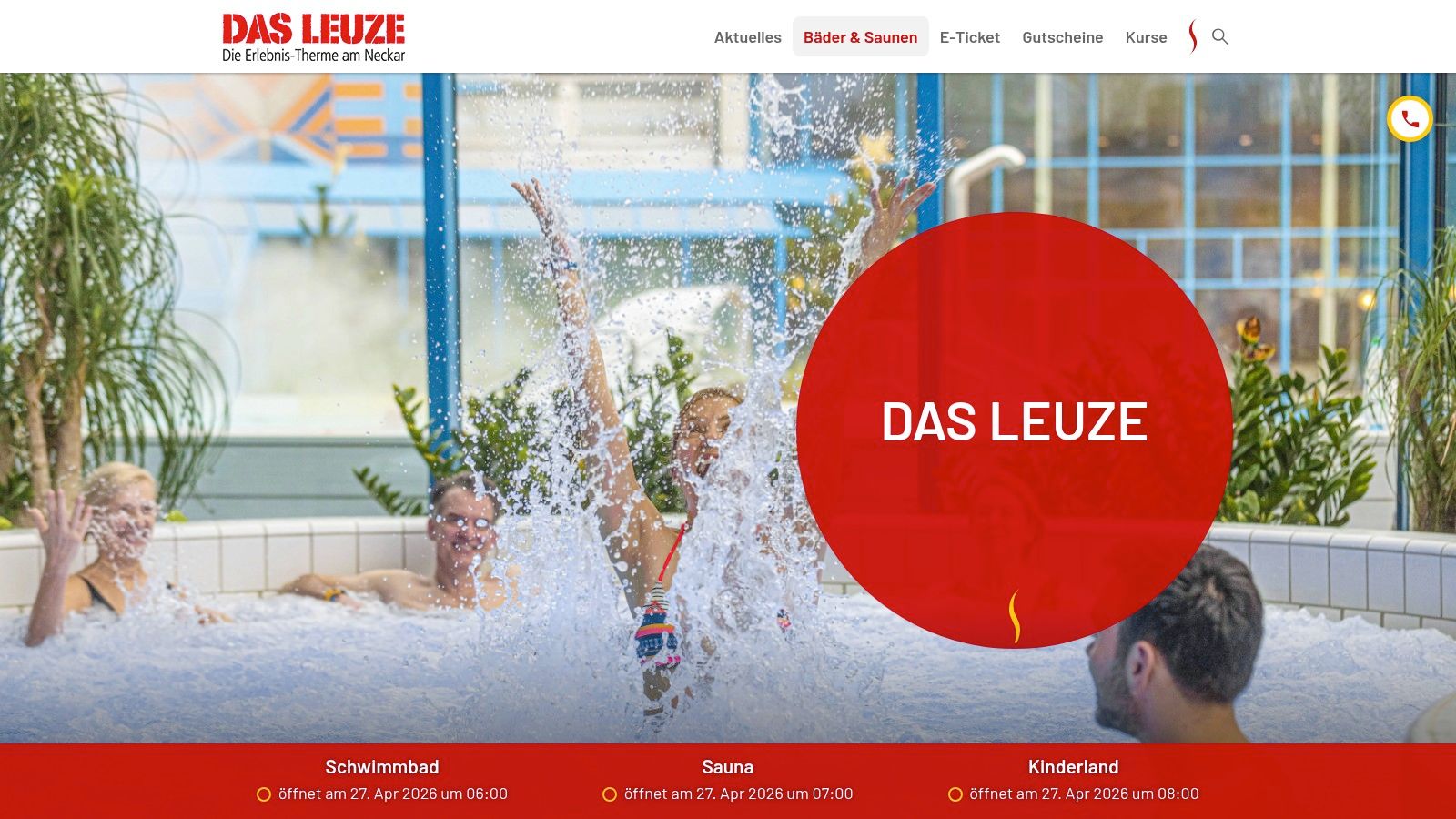
Stuttgart has a strong wellness side, and Mineralbad Leuze is where that becomes concrete.
If your group has done museums, city walking, and a lot of transit, Leuze is the reset button. It’s a mineral bath complex with indoor and outdoor pools, sauna facilities, and a location that’s practical to reach by public transport.
Why it belongs on a Stuttgart itinerary
A lot of city-break guides overvalue constant activity. Stuttgart is better when you leave room for recovery. Mineral baths aren’t filler here. They’re part of the city’s identity and one of the best options for travelers who want a local experience that isn’t just another attraction queue.
Leuze is particularly good on a second afternoon or evening. It also works well for corporate groups that need downtime after structured meetings, and for couples or friend groups that want something social but low-pressure.
Where groups can get this wrong
Wellness venues expose preference differences quickly. Some people want silence and long sauna sessions. Others want a lighter pool visit and a short stay. Then there’s comfort level around textile and non-textile zones, which needs to be clear before you go.
Sort out expectations before arrival. Nothing slows a group down faster than negotiating wellness etiquette at the entrance.
Other practical points:
Good for flexible timing: It works as a short unwind or a longer stay.
Budget carefully: Extra access, including sauna entry, can add to the total.
Use the official bath information: Current access details and planning notes are on the Mineralbad Leuze page.
This isn’t always the first thing people list when asking what to do in Stuttgart. It should be higher, especially for travelers who don’t want every day to be museum-heavy.
7. Stuttgart Markthalle
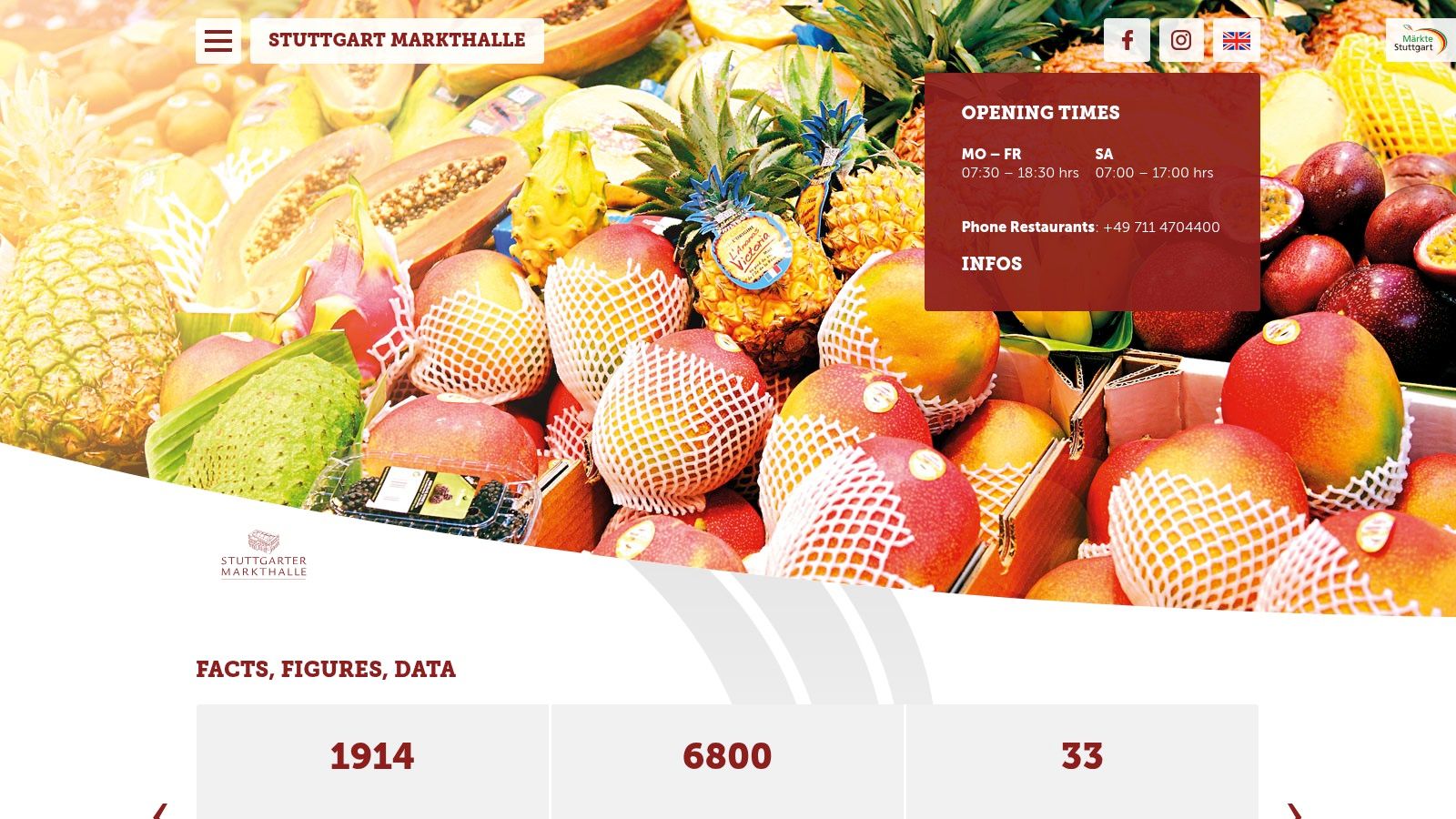
Stuttgart Markthalle solves a common group-travel problem fast. Half the group wants a proper lunch, a few people only want coffee, and someone always wants to browse for gifts instead of sitting through a long meal. This is one of the easiest places in the city to handle that split without wasting an hour negotiating.
The hall itself adds value beyond the food. The 1914 Art Nouveau building makes it feel like a destination rather than a fallback lunch stop, and the central location near Königstraße and Schlossplatz means it fits naturally into a walking day. For planners, that matters. You can use Markthalle as a flexible anchor between heavier sightseeing blocks instead of building a separate outing around it.
It also reflects a side of Stuttgart that group itineraries often miss. The city combines strong regional identity with broad international food culture, and Markthalle shows both in one stop.
How to use it well
Markthalle works best in three situations. First, as a lunch reset when your group has different budgets and appetites. Second, as a weather-safe stop in the middle of a central sightseeing route. Third, as an arrival window for groups landing at different times, because people can eat, shop, or wait without feeling stuck.
I would not treat it as a major standalone attraction. It is better as a practical, high-yield stop that keeps the day moving.
That trade-off is exactly why it belongs in a group-focused Stuttgart plan. It gives everyone some autonomy without losing the group completely.
What groups should plan for
Large groups can run into friction if they assume it will function like a reserved restaurant. It will not.
Peak times are tighter: Seating can be limited, so expect to split up briefly and regroup after ordering.
Vendor hours vary: Some counters may close earlier than others, so late lunches need a quick check before you commit.
Set expectations clearly: This is a casual food hall stop, not a guided culinary experience.
For opening times and vendor information, use the Stuttgart Markthalle website.
If you are building a winter itinerary, Markthalle also pairs well with seasonal food-focused stops. This guide to trips to German Christmas market is useful for that style of planning.
For mixed groups, this is the kind of stop that makes the rest of the itinerary easier. Tools like MyPerfectStay are useful here because they help organize flexible meal windows, nearby stays, and shared plans without turning every decision into a group chat.
Top 7 Things to Do in Stuttgart, Comparison
Attraction | 🔄 Implementation complexity | ⚡ Resource requirements | 📊 Expected outcomes | 💡 Ideal use cases | ⭐ Key advantages |
|---|---|---|---|---|---|
Mercedes‑Benz Museum | Moderate, multi‑level double‑helix layout; timed tours and weekend crowds | Moderate time (1.5–3 hrs), transit/parking, admission; group support available | High educational and historic value; memorable for groups | Group visits, general audiences, non‑car buffs seeking a flagship museum | Vast collection, multiple guided options, strong group services |
Porsche Museum | Low–Moderate, streamlined layout; occasional factory‑tour constraints | Half‑day visit, easy S‑Bahn access, ticket/VR exhibits | Focused brand experience; efficient, satisfying visit | Short visits, pairing with other auto sites, brand enthusiasts | Sleek design, proximity to factory, clear visitor flow |
SWR Fernsehturm (TV Tower) | Low, short visit but weather and last‑entry limits | Minimal time (30–90 min), ticketed access; check webcams for visibility | High immediate payoff (panoramic views, photos) | Quick panoramic stop, families, architecture/engineering interest | Historic prototype TV tower, observation deck and café |
Wilhelma Zoological‑Botanical Garden | Moderate, large grounds, seasonal variations, some accessibility limits | Half‑ to full‑day, admission (seasonal), family services and group tariffs | High variety and family value; extended visit options | Families, mixed‑age groups, nature and architecture lovers | Combined zoo & botanical gardens, Moorish setting, clear group pricing |
Stuttgart Citytour (hop‑on hop‑off) | Low, simple boarding but subject to traffic/stop changes | 24‑hour ticket, audio guide, multiple routes; good for stitching itinerary | Efficient coverage of city highlights; convenient connector between sites | First‑time visitors, single‑day itineraries, vineyard sightseeing | Flexible routing, English narration, wine‑tour option |
Mineralbad Leuze | Low–Moderate, standard wellness rules; mixed textile zones require coordination | Variable time (evening to half‑day), admission + sauna fees, public transport access | Strong relaxation and recovery benefits; wellness experience | Wellness‑focused groups, recovery days after sightseeing | Authentic mineral springs, extensive sauna and outdoor pools |
Stuttgart Markthalle | Very low, casual, walk‑in experience; vendor hours may vary | Minimal cost, short visit time; limited seating for large groups | Good tasting and light‑meal opportunities; cultural food exposure | Casual food stops, budget visitors, small group grazing | Historic Art‑Nouveau hall, wide variety, free entry |
Your Stuttgart Itinerary From Planning to Perfection
The hardest part of Stuttgart usually isn’t finding attractions. It’s sequencing them well.
The city makes more sense when you group experiences by energy level and geography. Automotive attractions pair naturally together. The TV Tower works best as a scenic add-on. Wilhelma needs breathing room. Markthalle fits almost anywhere. Mineralbad Leuze is strongest when the group needs to slow down instead of squeeze in one more museum.
For groups, that planning step gets messy fast. One traveler wants Porsche. Another wants a wine route. Someone else wants the zoo because they’re traveling with children. For such situations, a platform like MyPerfectStay proves useful. Instead of debating in a chat thread, each person can vote privately on activities, budget, pace, and must-dos. The platform then surfaces overlapping choices with match scores, so you can build an itinerary around shared enthusiasm instead of whoever replies first.
A few sample combinations work especially well:
Car enthusiast’s full day
Start with the Porsche Museum in the morning for a focused visit. Have lunch nearby or in transit, then spend the afternoon at the Mercedes-Benz Museum. This works best if your group is committed to the theme and doesn’t mind a museum-heavy day.
Family fun day
Wilhelma is the anchor. Give it the largest share of the day, then finish at the TV Tower if energy allows and the weather is clear. This pairing keeps the day varied without requiring difficult logistics.
Relax and explore half-day
Begin in Markthalle for a flexible lunch or late-morning graze, then head to Mineralbad Leuze for the slower half of the day. This is one of the best options for couples, adult friend groups, and anyone arriving after a busy travel morning.
Getting around is manageable on the VVS public transport network. In practice, the S-Bahn and U-Bahn are often easier than driving between major sights, especially when parking or event traffic gets in the way. If you want one bundled visitor product, the StuttCard PLUS is the version to look at because it combines transport and attraction value for many visitors. It’s most useful when you’re stacking museums or paid sights in a short window, not when you’re taking a slower, neighborhood-based approach.
Budgets vary a lot because Stuttgart can be done in a premium or fairly moderate way. Markthalle helps on food flexibility because people can spend according to appetite. The two big car museums and the TV Tower usually justify paid entry if those themes interest your group. Wilhelma is often the best-value paid attraction for mixed-age travelers because it fills so much of the day. Leuze can be affordable as a shorter visit, but extras can push the cost higher.
If you’re still deciding what to do in Stuttgart, use one simple rule. Pick one anchor attraction per half-day, then add only one lighter companion stop. That structure keeps the trip enjoyable, leaves room for delays, and gives your group enough freedom to enjoy the city instead of rushing through it.
If you’re planning Stuttgart with friends, family, or colleagues, MyPerfectStay makes the decision-making part much easier. Everyone votes privately, the best overlaps rise to the top, and you can turn a messy group chat into a bookable itinerary without the usual back-and-forth.

All Pages
Resources
FAQ’s
Frequently Asked Questions
Find answers to commonly asked questions about MPS, covering features, pricing, integrations, and more, to help you make informed decisions for your project management needs.
Do we need to download an app?
How does the “match score” work?
Can we book activities for the whole group at once?
Does everyone need an account or login?
Can we set a voting deadline?
Is it secure to book through MyPerfectStay?
Get MyPerfectStay for Your Next Trip
Build a day-by-day itinerary your whole group agrees on—without compromise.

300K+
Activities
190+
Countries
Send Us a Message
Tell us what you need and we’ll reply within 24–48 hours.

Group travel, finally solved. Plan trips everyone will love - without the endless debates.


Download our App

